
Kickstart Your Poker Journey: A Brief Guide on where to start

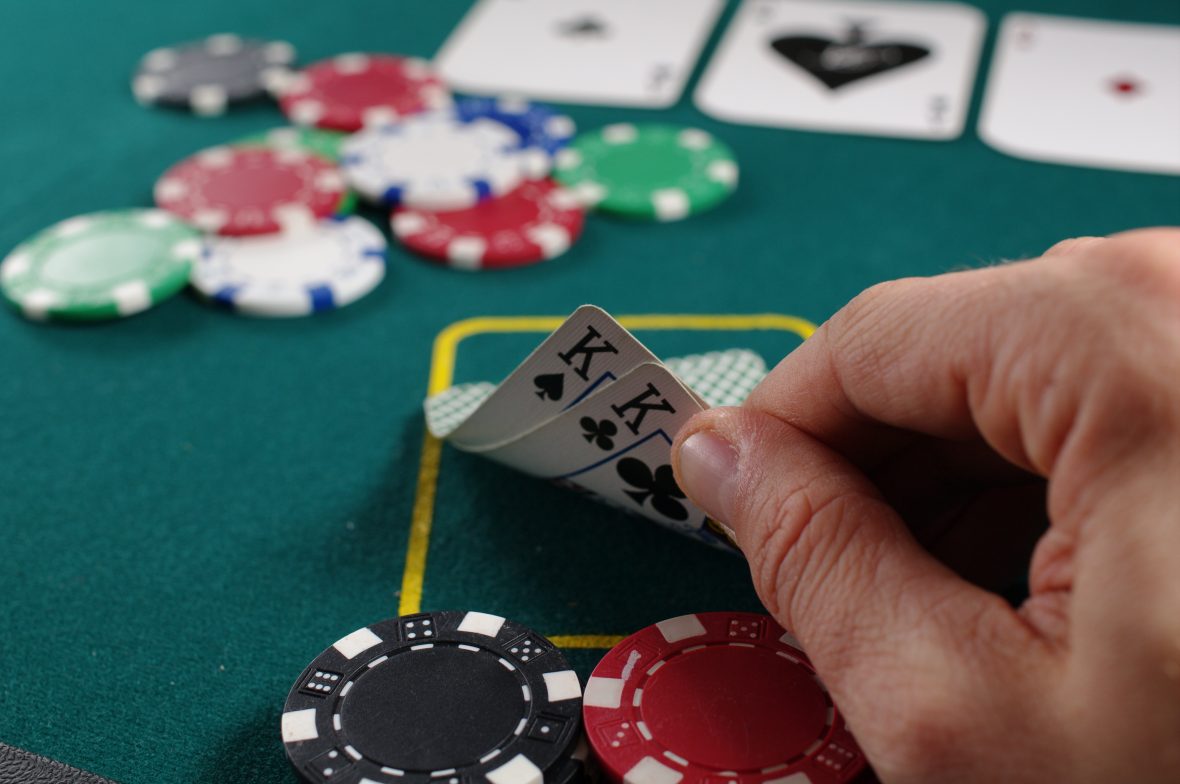
Poker tutorial: A Beginner’s Guide to Embarking on the Poker Journey
Objective: At its core, poker is a game of skill, strategy, and psychology where players bet based on the strength of their hands. The goal is to win chips by either having the best hand at showdown or convincing other players to fold their hands.
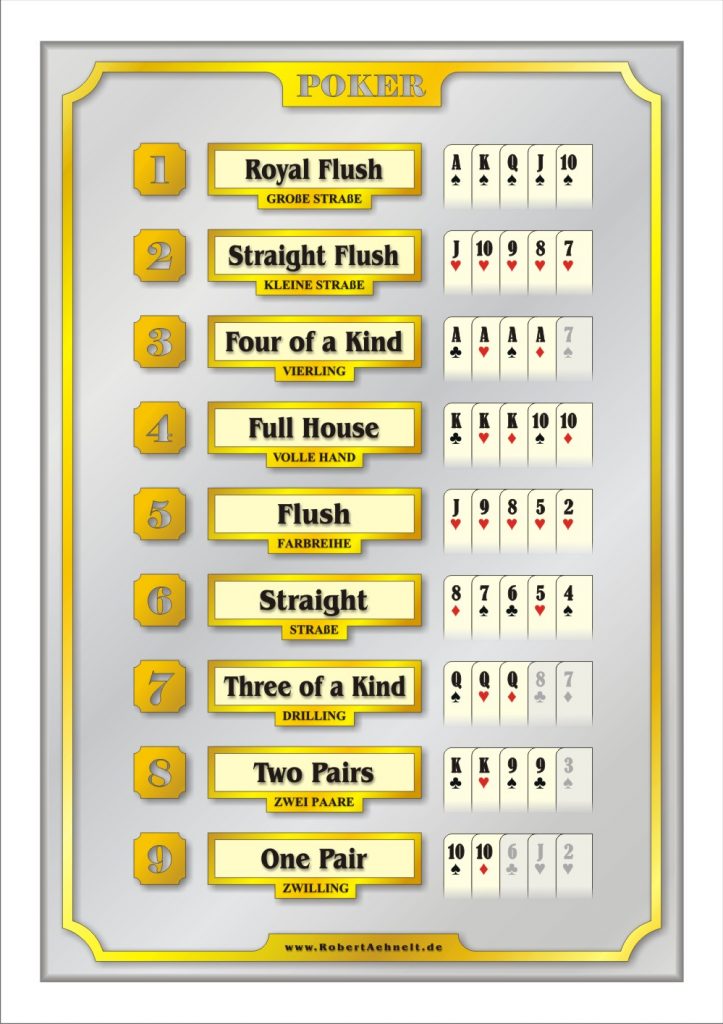
1. Understand Poker Hand Rankings:
Before diving into strategies, you need to familiarize yourself with the hand rankings. From highest to lowest, they are:
- Royal Flush
- Straight Flush
- Four of a Kind (Quads)
- Full House
- Flush
- Straight
- Three of a Kind (Trips/Set)
- Two Pair
- One Pair
- High Card
2. Choose a Poker Variant:
There are several poker variants, but as a beginner, it’s best to start with Texas Hold’em, as it’s the most popular and widely played.
3. Basics of Texas Hold’em:
- Each player is dealt two private cards (known as “hole cards”).
- Five community cards are dealt face-up on the “board.”
- Players use the best combination of five cards to make their hand.
4. Familiarize Yourself with Betting Structures:
- No-Limit: Players can bet any amount of their chips at any time.
- Limit: There’s a set limit to how much players can bet.
- Pot-Limit: Players can bet up to the current size of the pot.
5. Understand Basic Poker Terms:
- Blinds: Forced bets to start the action.
- Check: Passing the action without betting.
- Fold: Discarding your hand and forfeiting the pot.
- Call: Matching the current bet.
- Raise: Increasing the current bet.
6. Start with Free or Low-Stakes Games:
Many online platforms offer free poker games. Start here to practice without risking real money. Once you’re comfortable, transition to low-stakes games.
7. Read Poker Books & Watch Tutorials:
There are countless poker books that cover everything from basic strategies to advanced concepts. Some recommended titles for beginners include:
Online platforms like YouTube also have countless tutorials and hand analyses.
8. Join a Poker Community:
Sites like TwoPlusTwo Forums offer a place to discuss strategies, share hand histories, and learn from more experienced players.
9. Play Regularly:
Like any skill, the more you practice poker, the better you’ll become. Pay attention to patterns, learn from mistakes, and constantly strive to improve.
10. Study Your Hands:
After playing sessions, review and analyze your hands. Tools like PokerTracker can help with this.
11. Understand the Importance of Position:
In poker, the order in which you act is crucial. Players acting later have more information, making it a valuable position.
12. Embrace the Psychological Aspect:
Reading your opponents, managing your emotions, and controlling tells (observable reactions) are as important as understanding the technical side of poker.
Final Thoughts:
Poker is a captivating game that combines skill, strategy, and psychology. While the basics are easy to pick up, mastery takes time and dedication. Embrace the learning curve, enjoy the process, and remember that even the most seasoned pros are constantly learning and adapting.
Happy playing!
